Many small business owners get stuck in what we call “website paralysis.” They assume they need a 10–20 page site with a blog, a shop, member portals, and every other feature a competitor’s site has. The result is usually months of delays, a much larger bill than expected, and — after all that — a site that still doesn’t convert visitors into calls.
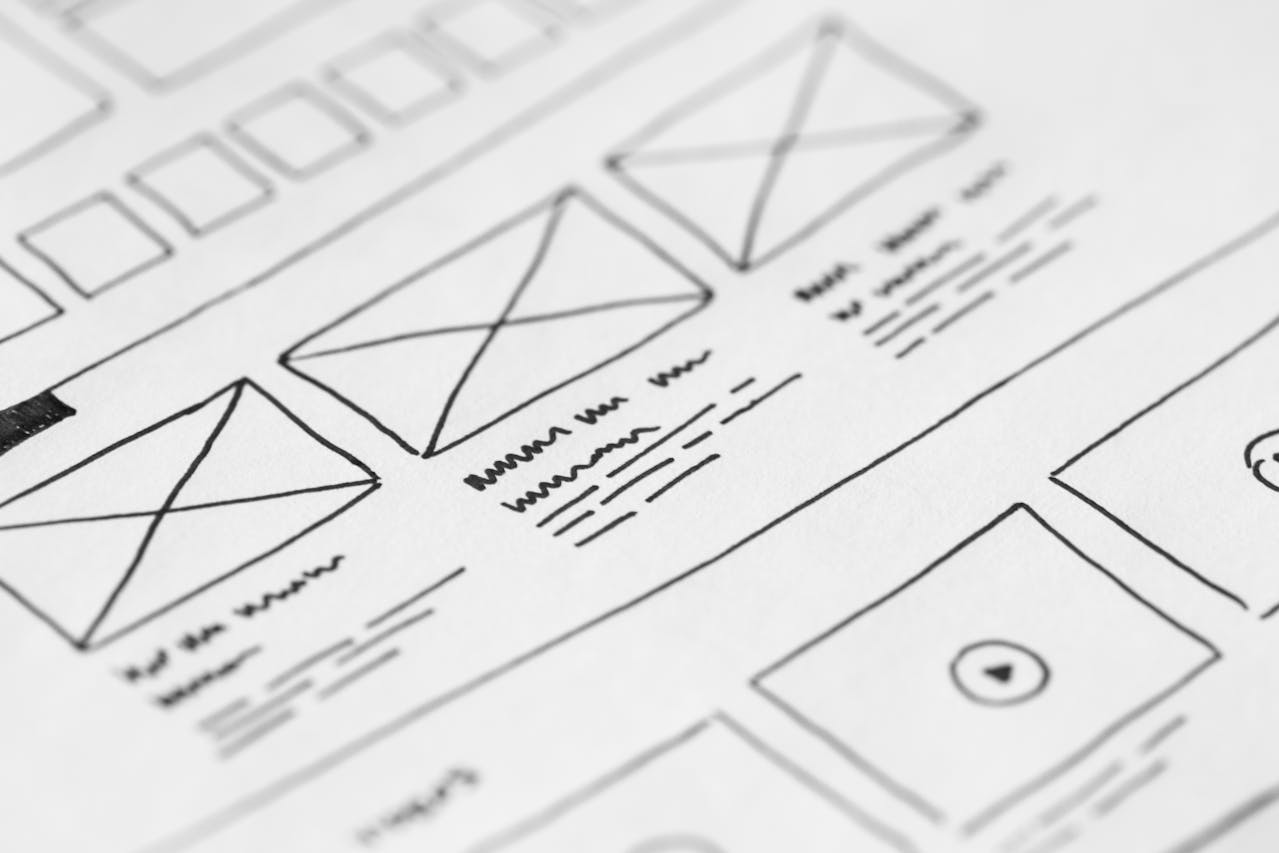
A brochure website takes the opposite approach: a single, well-structured page that does what most local businesses actually need. It looks professional, tells your story, builds trust, and gives visitors a clear way to call or fill out a form.
For many local service businesses, that focused approach produces a better return than a larger site would — not because bigger sites are wrong, but because most small businesses don’t yet have the content or traffic to justify one.
What Is a Brochure Website?
A brochure website puts everything a customer needs on one continuous scroll: a hero section, your services, social proof, an about section, and a clear call to action. There’s no navigation menu to get lost in and no second page to load.
The name comes from the comparison to a printed brochure — a compact, curated pitch rather than an exhaustive reference. The difference is that this one is available at 2 a.m. when someone searches for your service on their phone.
See a real local example from Burrington Builders.
Key Benefits for Small Business Owners
Faster launch, lower cost
A single page with a defined scope takes weeks to build rather than months, and the smaller scope means a smaller invoice than a multi-page site with a CMS behind it.
Higher conversion rates
One focused page with a single, clear call to action — “Call Now” or “Get Your Free Quote” — gives visitors one obvious next step instead of a menu of options to weigh.
Built for mobile
Most visitors to a local service site arrive on a phone. A single scrolling page matches how people already browse on mobile, without the page-load delay of tapping through multiple sections.
Fast performance
Fewer pages and fewer assets to load generally means better Core Web Vitals scores, which matters both for how Google ranks the page and for how long visitors are willing to wait before leaving.
Easier to maintain and secure
Fewer plugins, templates, and moving parts means fewer places for something to break or for an attacker to find a foothold. Updating the site is usually a matter of editing one page, not coordinating changes across many.
A solid local SEO foundation
Structured data, fast load times, consistent name-address-phone (NAP) information, and content written for your service area give a brochure site the fundamentals it needs to compete in local search results — though ranking well still depends on factors outside the site itself, like reviews and local citations.
Common Myths About Brochure Sites
“Single-page sites can’t rank.”
Local pack rankings depend more on structured data, load speed, and consistent business information than on page count. A single well-built page can compete with — and sometimes outrank — a larger site that’s slower or less consistently structured.
“They look cheap.”
That’s a design problem, not a limitation of the format. Typography, photography, and layout determine how premium a page looks; page count doesn’t.
“I’ll outgrow it immediately.”
Some businesses do. A brochure site is a starting point, not a ceiling — you can add blog posts, landing pages, or a store later without rebuilding what’s already there. If you already know you’ll need a blog or e-commerce on day one, it’s worth planning for that from the start rather than treating it as an afterthought.
Who Should Get One?
- Plumbers, electricians, landscapers, roofers, and contractors
- Consultants, freelancers, personal trainers, and photographers
- Any local service business that wants to look established without the overhead
If your main goals are generating phone calls, quote requests, and building trust, a brochure website usually covers what you need.
What Makes One Convert
A brochure site’s conversion rate comes down to a handful of decisions. Lead with what the customer gets, not a list of your services’ features. Use real photos of your actual work and team rather than stock imagery — visitors can usually tell the difference, and it affects how much they trust you. Include genuine testimonials where you have them. Give the primary call to action visual priority, with buttons and forms that stand out from the rest of the page, and add a sticky click-to-call button on mobile so a visitor can reach you without scrolling back up.
Branding consistency matters too: a website that looks disconnected from your print materials, vehicle signage, or other marketing undercuts the trust the site is trying to build.
Explore our print and branding work, which pairs well with brochure sites.
Is a Brochure Site Right for You?
Page count has little to do with whether a business looks legitimate online — execution does. For most local service businesses, a well-designed brochure site delivers a professional presence and a working conversion path without the cost and maintenance burden of a larger site.
It isn’t the right fit for every business — one with a real product catalog, a blog-driven content strategy, or a need for user accounts will outgrow it quickly. But if your goals are phone calls, quote requests, and a credible online presence, it’s worth starting there.
Contact us to talk about whether a brochure website fits your business.
Photo by Glenn Carstens-Peters